
For his pioneering contributions to the mechanism and physiological function of autophagy specific in multicellular organisms.
2026 The Life Science Prize Laureate
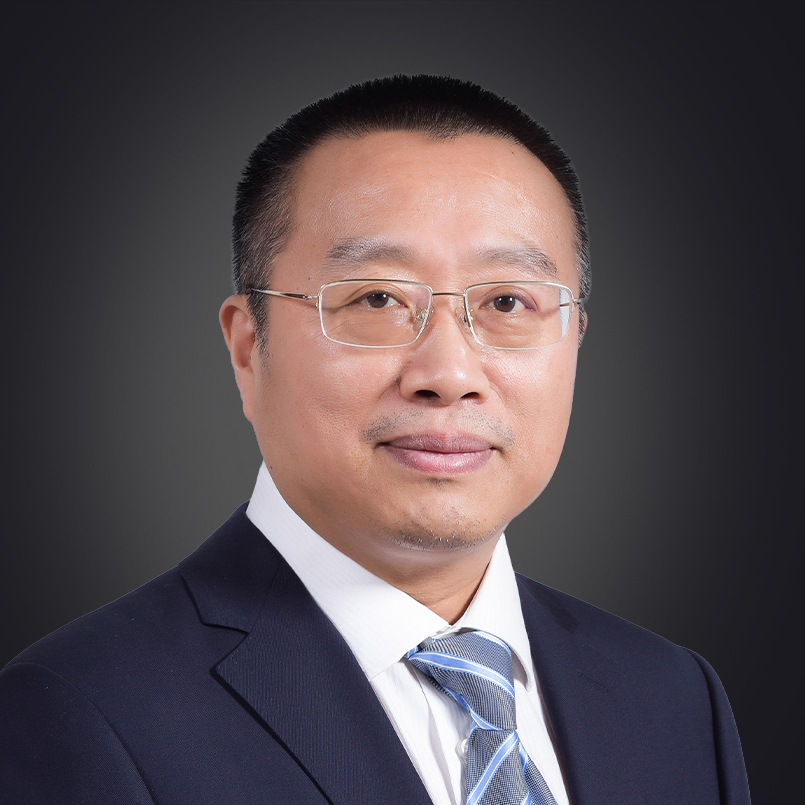
Hong Zhang
Institute of Biophysics, Chinese Academy of Sciences
Hong Zhang has made seminal discoveries regarding the molecular mechanisms unique to autophagy in multicellular organisms. Autophagy (“self-eating”) is a term first proposed by Christian de Duve in 1963. It is an important cellular degradation-recycling mechanism that involves the formation of autophagosome, a double membrane vesicle that encloses and transports cellular proteins, organelles, and pathogens, to lysosome for degradation. The core autophagy (ATG) genes were identified in unicellular organism yeast by Yoshinori Ohsumi. Dr. Zhang pioneered the use of Caenorhabditis elegans to understand the molecular mechanism of autophagy in multicellular organisms. Through his landmark 2010 Cell paper and subsequent research, he identified a suite of multicellular organism-specific autophagy genes, termed EPGs. By elucidating the complex molecular pathways unique to animal autophagy, Dr. Zhang has revealed fundamental insights into their roles in development, physiology, and human disease, deepening our understanding of autophagy regulation in multicellular organisms.
Hong Zhang, Investigator of the Institute of Biophysics, Chinese Academy of Sciences, born in 1969 in Anhui Province, China. He received his doctoral degree from the Albert Einstein College of Medicine in the United States in 2001.